By Inner Sage Leadership Group
There’s a moment every professional recognizes but quickly dismisses:
Someone interrupts you.
Someone dismisses your concerns.
Someone crosses a boundary you felt but didn’t voice.
And before you can explain why, something inside you tightens.
It’s the first fast signal from your body’s protection system: a pulse of “No,” a flash of heat, a shift in your chest or gut.
Your body registers a boundary long before your brain explains it.
And yet, most leaders override that signal.
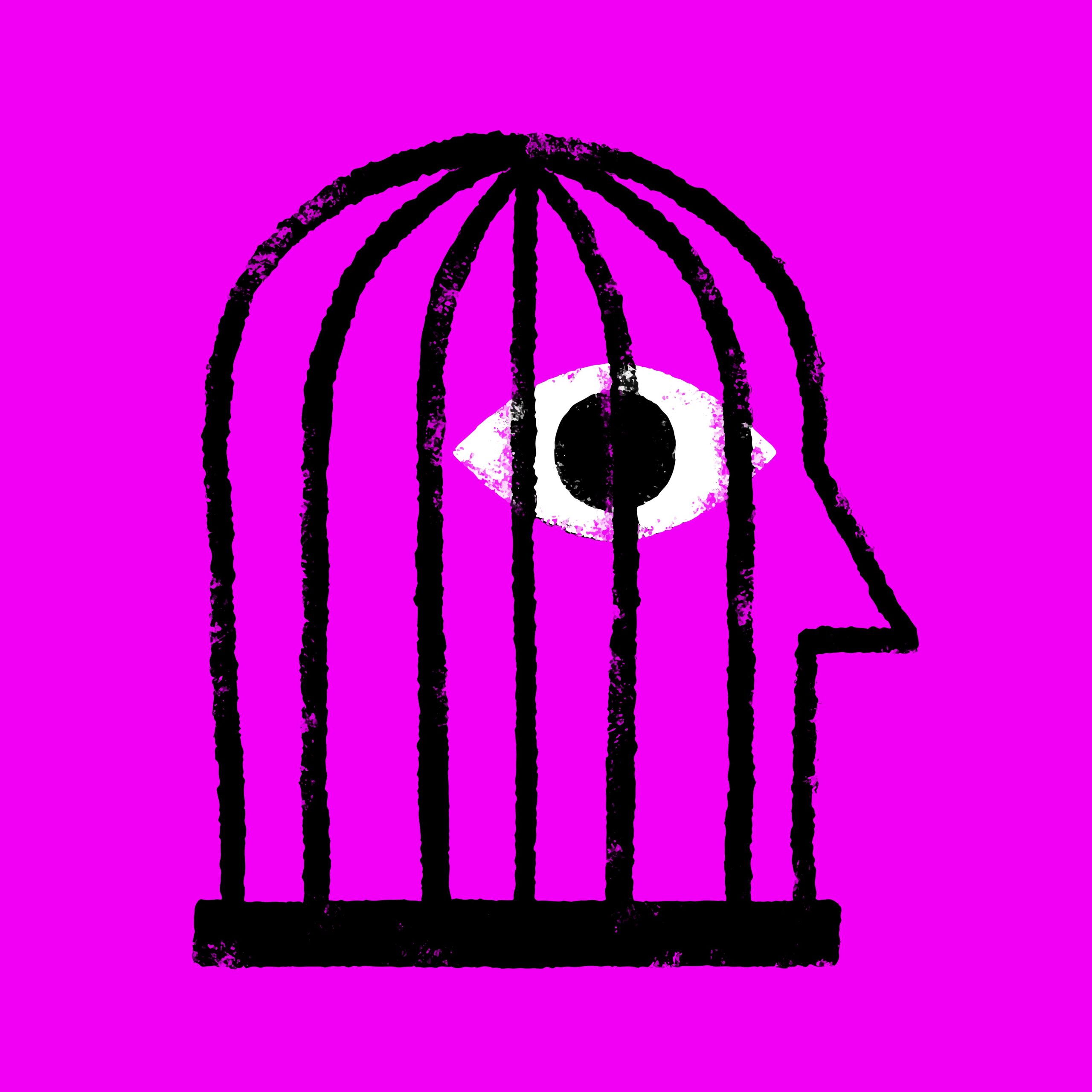
This is self-silencing: the split-second habit of talking yourself out of what you feel in order to stay composed, agreeable, or “professional.”
Research shows that leaders in service-oriented professions, especially educators, healthcare workers, and social-service providers, are more likely to self-silence because they are culturally conditioned to prioritize relational stability over self-advocacy (Gilligan, 1982; Jack, 1991, 2010; Knoll & Redman, 2021).
Let’s break down what’s happening inside you, through the lens of neuroscience and Bruce D. Schneider’s Energy Leadership model, and why this matters so much for leaders in education, healthcare, universities, and mission-driven organizations.
The First Signal: Level 2 Energy (Your Boundary Alarm)
When something feels off, your brain reacts in milliseconds. The amygdala, insula, and salience network scan for changes in emotional safety and send a bodily signal long before the analytical mind comes online (LeDoux, 2012; Craig, 2009).
In Energy Leadership, this is Level 2 Energy. It’s the energy of:
- anger
- frustration
- boundary-defense
- “something’s not right”
This signal is protective, and alerts you that a need, respect, fairness, safety, or structure may be threatened.
Unfortunately, most leaders don’t stay with this sensation long enough to hear the message.
The Override: Level 3 Energy (The Rationalizer)
Level 3 is the “cope, minimize, stay professional” state:
“Don’t make this a big deal.” “Be flexible.” “Just stay composed.” “Let’s solve this.”
Neuroscientifically, this is the prefrontal cortex overriding your emotional signal to maintain stability (Ochsner & Gross, 2005).
It’s a useful capability, but it arrives too quickly for many leaders.
People in caregiving, education, public service, and mission-driven roles are conditioned to:
- maintain harmony
- avoid appearing emotional
- carry the emotional load for others
- smooth conflict before it begins
- keep relationships steady at any cost
So Level 3 overrides Level 2 before the boundary message is fully received.
When that happens, you’re not responding to your signal. You’re negotiating with it.
The Moment Self-Silencing Begins
Your body says, “Something’s wrong.” Your mind says, “It’s probably nothing. Move on.”
It’s like hearing a smoke alarm and assuming the batteries are low.
The rapid pivot from signal to solution is where boundary erosion begins.
You don’t speak up. You don’t name the need. You don’t pause long enough to feel the inner “No.”
Instead, you cope or fix. And you risk a leadership identity fueled by:
- resentment
- exhaustion
- over-functioning
- people-pleasing
- emotional withdrawal
- the sense that “I’m doing everything, and it’s still not enough.”
This is emotional reactivity in disguise, and it’s draining.
How to Break the Self-Silencing Loop
Self-silencing ends when you learn to stay with the Level 2 boundary signal long enough to hear its message before Level 3 rushes in.
These three micro-practices help.
1. Pause Before You Rationalize
When you feel heat, tightening, heaviness, or a spike in your heartbeat:
- Don’t explain it away.
- Don’t fix it.
- Don’t jump into problem-solving.
Simply notice the sensation for three seconds. That brief pause interrupts autopilot and restores choice.
2. Get Curious About the Need
Your Boundary Alarm always corresponds to a need:
- respect
- fairness
- calm
- predictability
- autonomy
Your body knows the need before your mind names it.
If you need help identifying needs, visit the resources at www.innersagecoach.com.
3. Let Composure Be a Partner—Not a Gatekeeper
You don’t need to suppress the signal. You need to integrate it.
Boundaries begin as sensations, not behaviors. The behavior comes after the signal.
When Level 2 (your boundary alarm) and Level 3 (your rationalizer) collaborate, leaders respond with clarity and integrity rather than emotional reactivity.
This is Emotional Response-Ability® in action. It’s your ability to notice, decode, and act with intention.
Your New Boundary Sequence
Feel → Pause → Name → Choose
This is the antidote to self-silencing.
1. Feel
Let the first wave land. It’s your internal wisdom speaking.
2. Pause
Three seconds of awareness interrupts autopilot.
3. Name
“I feel angry.” “I feel disappointed.” “I feel dismissed.” Naming brings the signal into consciousness.
4. Choose
From here, you can decide—speak, stay silent, set a boundary, or strategize—with grounded clarity instead of self-protection.
Don’t abandon composure. Just let awareness come first. Leadership grows when you stop silencing what your body already knows.
If you would like to integrate these concepts, you can email innersagecoach@gmail.com to schedule a complimentary coaching session.